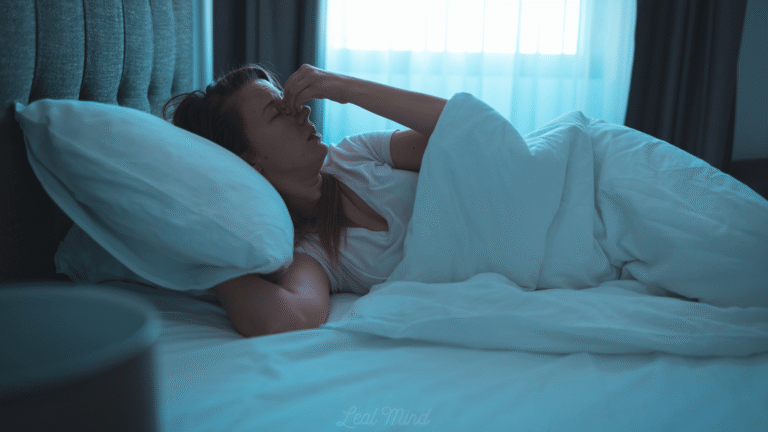
Understanding how to stop a panic attack can be life-changing when you consider that, according to mental health statistics for 2026, 10 to 33 percent of people will experience at least one this year. These episodes can come on suddenly and flood your body with fear or a sense of doom. Most panic attacks last between 5 and 20 minutes, however, they can feel like an eternity when you’re in the middle of one.
The good news? You may not be able to stop a panic attack entirely, but you can use strategies that make it shorter and less overwhelming. In this guide, we’ll walk you through recognizing panic attack symptoms, proven techniques to calm a panic attack in the moment, prevention strategies, and when to seek panic attack treatment. Let’s help you take control.
Table of Contents

Recognizing a Panic Attack: Symptoms and What to Expect
Common Physical Symptoms You’ll Experience
A panic attack triggers your body’s fight-or-flight response, creating physical symptoms that can feel overwhelming and even life-threatening. Your heart may begin racing or pounding rapidly, while chest pain or tightness makes it difficult to distinguish the experience from a heart attack. Shortness of breath or a sensation of choking often accompanies these cardiovascular symptoms, leading many people to rush to emergency rooms fearing the worst.
Simultaneously, your body may respond with profuse sweating, trembling or shaking in your hands and limbs, and alternating waves of chills and hot flashes. Dizziness or lightheadedness can make you feel faint, while tingling sensations or numbness may spread through your fingers, toes, or face. Your digestive system reacts too, with nausea, stomach pain, or abdominal cramping adding to the distress.
The Mental Experience of Panic
The psychological symptoms of a panic attack can be just as distressing as the physical ones. An overwhelming sense of fear or dread takes hold, often accompanied by an intense fear of dying or losing control. You may worry that you’re going crazy or losing your sanity, with racing thoughts jumping rapidly from one fear to another.
Many people describe feeling detached from themselves or their surroundings during an attack. This includes depersonalization, where you feel like you’re watching yourself from outside your body, or derealization, where the world around you seems unreal or dreamlike. These sensations of unreality, combined with an inability to concentrate or focus on anything beyond the panic, create a confusing and frightening experience.
Duration and Intensity Patterns
Most panic attacks last between 5 and 20 minutes, though some have been reported to last up to an hour. Symptoms typically peak within 10 minutes after the attack starts, reaching their most intense point before gradually subsiding. Once the episode ends, you’ll likely feel fatigued and worn out as cortisol leaves your system.
Panic Attacks vs Anxiety Attacks
Unlike anxiety, which builds gradually in response to anticipated future threats, panic attacks strike suddenly and without warning. Anxiety typically involves muscle tension and worry about what might happen, while panic attacks trigger an immediate, intense fight-or-flight response to perceived danger happening right now. Panic attacks are brief but extremely intense, whereas anxiety can persist for hours or days with less severe physical symptoms. Panic attacks may occur unexpectedly with no apparent trigger, or as expected attacks in response to specific phobias or situations. Panic attacks may occur unexpectedly with no apparent trigger, or as expected attacks in response to specific phobias or situations, including nighttime anxiety, which affects millions of people even without a diagnosed disorder.

Proven Techniques to Stop a Panic Attack in the Moment
Name It to Tame It: Acknowledge Your Panic Attack
Recognizing what’s happening can help you feel calmer. Accept that you’re having a panic attack rather than fighting it. Remind yourself that panic attacks are self-limiting and will pass shortly on their own. Try telling yourself, “This is a panic attack. It’s uncomfortable but not dangerous.” This acknowledgment prevents adding secondary fear that intensifies symptoms.
Control Your Breathing with Simple Exercises
Breathing techniques activate your body’s relaxation response. Try the 4-7-8 method: inhale through your nose for four seconds, hold for seven seconds, then exhale through your mouth for eight seconds. Box breathing works similarly by inhaling for four counts, holding for four, exhaling for four, and holding again for four. Diaphragmatic breathing involves placing one hand on your chest and another on your abdomen, breathing deeply so your belly rises while your chest stays still. These exercises work by counteracting the rapid, shallow breathing that often accompanies panic attacks — and they’re just one of many natural anxiety remedies worth building into your daily routine.
Ground Yourself Using Sensory Techniques
The 5-4-3-2-1 method redirects attention from anxiety to your surroundings. Identify five things you can see, four things you can touch, three things you can hear, two things you can smell, and one thing you can taste. As a result, this engages multiple senses and anchors you in the present moment.
Use Temperature to Reset Your Nervous System
Cold water facilitates positive affect and reduces negative emotional states. Splash cold water on your face, hold an ice cube, or run cold water over your wrists. Cold exposure activates the vagus nerve, which regulates heart rate and stress responses. Following a single immersion, people report significantly increased vigor with medium to large effect sizes.
Move Your Body or Change Your Location
Walking releases endorphins that relax the body and improve mood. Try jumping jacks, stretching, or stamping on the spot to help control breathing and shift focus.
Repeat Calming Mantras and Reassurances
Mantras reduce anxiety by anchoring attention and promoting emotional balance. Repeat phrases like “This too shall pass,” “I am safe,” or “I can handle this moment.” These short affirmations counter anxious thoughts and provide reassurance during overwhelming moments.

How to Reduce and Avoid Panic Attacks: Prevention Strategies
While immediate techniques help during attacks, long-term prevention requires addressing root causes and building resilience.
Understanding Your Personal Panic Attack Triggers
Panic attacks may occur unexpectedly with no apparent trigger, but many respond to specific stressors. Common triggers include social situations like parties and meetings, individual performances such as giving speeches, situations that cause fear like heights or airplanes, and reminders of prior traumatic events. Certain substances can stimulate your fight-or-flight response too. Excessive caffeine intake, alcohol abuse and withdrawal, and intense physical exercise can trigger panic-like symptoms that escalate into full-blown attacks.
Daily Habits That Lower Panic Attack Risk
Getting treatment as soon as possible helps stop panic attacks from becoming more frequent or worsening. Stick with your treatment plan to prevent relapses. Avoid caffeine, alcohol, and smoking, as all of these can trigger or worsen episodes. Talk to your provider before taking herbal supplements or over-the-counter medications, since certain substances can increase anxiety. While immediate techniques help during attacks, long-term prevention requires addressing root causes — especially if toxic stress has become a chronic part of your daily life.
Stress Management Techniques That Work
Research suggests that breathing exercises, meditation, light to moderate-intensity exercise, and muscle relaxation techniques can help prevent panic attacks when practiced regularly. Yoga and progressive muscle relaxation, which involves tensing one muscle at a time then completely releasing the tension, may also be helpful.
The Role of Sleep, Diet, and Exercise
Regular physical activity plays a key role in reducing anxiety and stress, with dietary behavior serving as a mediating factor. Higher levels of physical activity were negatively correlated with anxiety and stress symptoms. Exercise enhances sleep quality by boosting melatonin production, facilitating faster sleep onset, and reducing stress. Get enough sleep so you don’t feel drowsy during the day. A diet rich in whole foods like fruits, vegetables, and lean proteins supports brain function and regulates mood.
Treatment Options and Getting Professional Help
When Self-Help Isn’t Enough
See a GP if you’ve been experiencing regular and unexpected panic attacks followed by at least a month of continuous worry about having further attacks. Your doctor will assess your symptoms, rule out other conditions, and determine whether panic attack treatment is necessary. Many people realize they have panic disorder after an emergency room visit, as panic attack symptoms can mimic heart attacks.
Therapy Approaches for Panic Disorder
Cognitive behavioral therapy remains the gold-standard panic disorder treatment, with 70 to 90 percent effectiveness rates. CBT sessions typically run 9 to 12 weeks, teaching you to react differently to panic symptoms through interoceptive exposure, where you deliberately confront the physical sensations causing anxiety. Exposure therapy helps you engage in activities you’ve avoided, gradually creating panic sensations in safe environments until they no longer feel threatening. Treatment results appear within several weeks, with symptoms decreasing significantly within several months. Cognitive behavioral therapy remains the gold-standard panic disorder treatment, with 70 to 90 percent effectiveness rates.
Understanding Medication Options for Panic Attacks
SSRIs like fluoxetine, paroxetine, and sertraline are typically recommended as first-choice medications. These antidepressants take 2 to 4 weeks before starting to work, and up to 8 weeks to work fully. SNRIs such as venlafaxine offer another option if SSRIs prove ineffective. Benzodiazepines provide rapid symptom relief but are generally used only short-term owing to addiction potential.
Building Your Long-Term Management Plan
Combining psychotherapy with medication often provides the best outcomes, though medications work faster while CBT proves more effective long-term. Your treatment plan depends on symptom severity, personal preferences, and access to specialized therapists. If symptoms don’t improve after CBT and medication, your GP may refer you to a psychiatrist or clinical psychologist for specialized assessment.

Conclusion
You now have everything you need to manage panic attacks effectively. The techniques we’ve covered, from breathing exercises to grounding methods, can make episodes shorter and less intense when practiced consistently.
Start by identifying your personal triggers and building daily habits that lower your risk. Remember, panic attacks feel terrifying but they’re not dangerous, and they always pass.
Most importantly, don’t hesitate to seek professional help if self-management isn’t enough. Therapy and medication have proven highly effective for panic disorder. You can take control and live without constant fear of the next attack.
FAQs
How long does a typical panic attack last?
Most panic attacks last between 5 and 20 minutes, with symptoms typically peaking within the first 10 minutes. While some attacks can extend up to an hour, the intense feelings of fear and physical discomfort gradually subside after reaching their peak. Once the episode ends, you’ll likely feel exhausted as your body recovers from the stress response.
What’s the difference between a panic attack and an anxiety attack?
Panic attacks strike suddenly and intensely without warning, triggering an immediate fight-or-flight response with severe physical symptoms. Anxiety, on the other hand, builds gradually over time in response to anticipated future threats and can persist for hours or days with less severe symptoms. Panic attacks are brief but extremely intense, while anxiety involves ongoing worry and muscle tension.
Can breathing exercises really help stop a panic attack?
Yes, breathing techniques can effectively activate your body’s relaxation response during a panic attack. Methods like the 4-7-8 technique (inhale for 4 seconds, hold for 7, exhale for 8) or box breathing help regulate your nervous system and reduce the intensity of symptoms. These exercises work by counteracting the rapid, shallow breathing that often accompanies panic attacks.
When should I seek professional help for panic attacks?
You should see a healthcare provider if you’ve been experiencing regular, unexpected panic attacks followed by at least a month of continuous worry about having more attacks. Professional help is also important if panic attacks are interfering with your daily life, causing you to avoid certain situations, or if self-help techniques aren’t providing sufficient relief.
How effective is cognitive behavioral therapy for treating panic disorder?
Cognitive behavioral therapy (CBT) is highly effective for panic disorder, with success rates ranging from 70 to 90 percent. Treatment typically involves 9 to 12 weekly sessions where you learn to react differently to panic symptoms through techniques like interoceptive exposure. Most people see significant improvement within several weeks, with symptoms decreasing substantially within several months.